Introduction to Telecom Operations
Course Overview
The Introduction to Telecom Operations course is designed for the telecom technician. Copper pair networks can provide modern services over an infrastructure that is over a century old, while still providing plain old telephone service (POTS). The course explains basic safety practices according to OSHA, and basic electronics such as voltage, power, current, and resistance. These electronic principles are foundational to the understanding of how a copper network works. In addition to POTS, the course teaches installation and troubleshooting of digital subscriber line (DSL), voice over IP (VoIP), and passive optical network (PON) fiber to the premises (FTTP).

- Price: $550.00
- Seat time: 16h
- Course number: eb0171_03_JN
- Dynamic language translation available
- Category: Technical and Safety
The estimated completion time for this course is 16 hours. The maximum allotted time is four months from enrollment.
Course Objectives
Examine the proper use of personal protective equipment (PPE) and how to inspect them
Describe the features of the foreign voltage detector, and how to use it to detect electrical hazards
Describe the characteristics of the various types of ladders and pole climbing equipment and how to safely use them
Outline company vehicle use and distracted driving guidelines
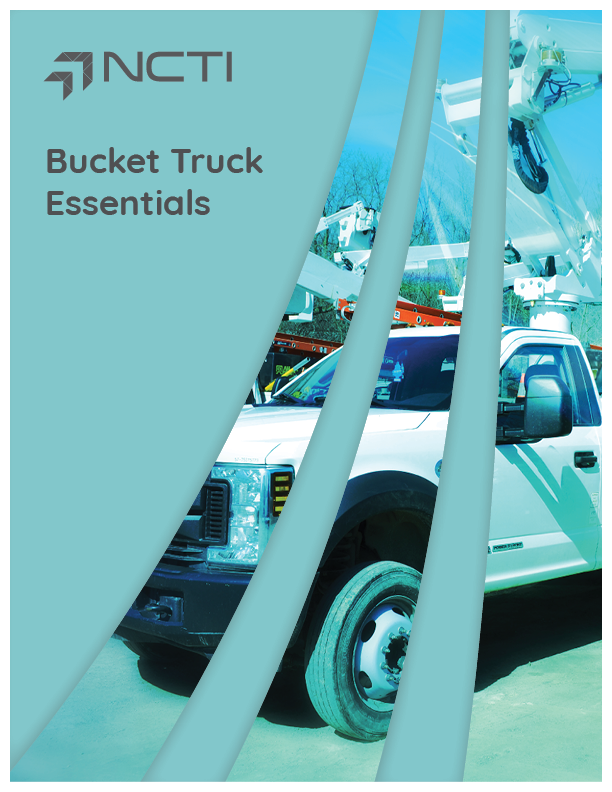
Describe the features of a bucket truck and safety practices when working in and around manholes
Convert volts, amperes, ohms, and watts into values using scientific notation and metric prefixes
Explain how to use Ohm’s law to perform calculations
Identify equations used to perform various power calculations
Examine the types and behaviors of copper cable designs and how installation affects the design
Compare DSL components and how they have improved over time
Analyze DSL network design and components and how they operate together to deliver Internet traffic to the subscriber
Examine the features of a passive optical network and how it improves the speed of the network service to the customer
Identify best practices for installing small diameter conductors and how terminals are used at the central office
Explain the characteristics of the main distribution frame and how to place jumpers in the MDF
Describe the purpose and characteristics of the cross-connect box, how to make terminations, and how to install jumpers
Describe the types and characteristics of serving terminals and best practices for accessing them at the customer's drop
Examine the function, features, and layout of the network interface device, and how to properly install it to the customer premises
Identify the different types of inside wiring and how to correctly install wiring and jacks
Identify the different types of DSL modems and how to place, install, and configure the modems to match customer circuit settings
Explain the features of POTS and best practices for installing a telephone that is working properly
Examine the technology for VoIP used for transporting telephone conversations
Explain troubleshooting processes for Internet, POTS, and VoIP services
Explain how to test and troubleshoot AC and DC voltage, resistance, capacitance, longitudinal balance, load coil, and bridged tap
Describe how to perform DSL synchronization, wideband spectral analysis, and wideband impulse noise testing and determine pass/fail results
Describe how to trouble isolate and resolve in-home or central office issues
Describe how to isolate and resolve trouble to LAN or WAN
Describe how to isolate and resolve trouble to digital subscriber line access multiplexer or modems
Course Benefits
receive an industry-recognized NCTI certificate of graduation
receive credit toward NCTI Telecom Specialist certification
Share this page: