Full Duplex DOCSIS

Course Overview

The Full Duplex (FDX) DOCSIS specification defines simultaneous upstream and downstream communications for symmetrical upstream and downstream data rate capacity. The specification leverages distributed access architecture (DAA) to enhance upstream capacity. The NCTI® Full Duplex DOCSIS course teaches the broadband technician about interferences that are unique to FDX operation and how these interferences are addressed. The course also explains the difference between full duplex operation and frequency division duplexing, and how both are used for FDX DOCSIS operations. Completing the NCTI FDX DOCSIS course prepares the broadband technician for FDX DOCSIS operations in their network.

The estimated completion time for this course is 4 hours. The maximum allotted time is four months from enrollment.
List reasons for full duplex DOCSIS deployment

Define what full duplex operation is

Identify issues that are unique to full duplex operation

Identify the frequency band allocated for full duplex DOCSIS operations

Describe what is required of a fiber node for full duplex operation

Describe DOCSIS FDX-Limited modems

Describe how interference groups are used to limit interference between full duplex modems

Describe the sounding process and hierarchy of resource block assignments, transmission groups to manage traffic in full duplex interference groups

Describe echo cancellation at the node

Describe how adjacent leakage interference and adjacent channel interference at the modem is suppressed with echo cancellation.
prepare for implementation of full duplex DOCSIS

understand concepts of full duplex communications

receive an industry-recognized NCTI certificate of graduation

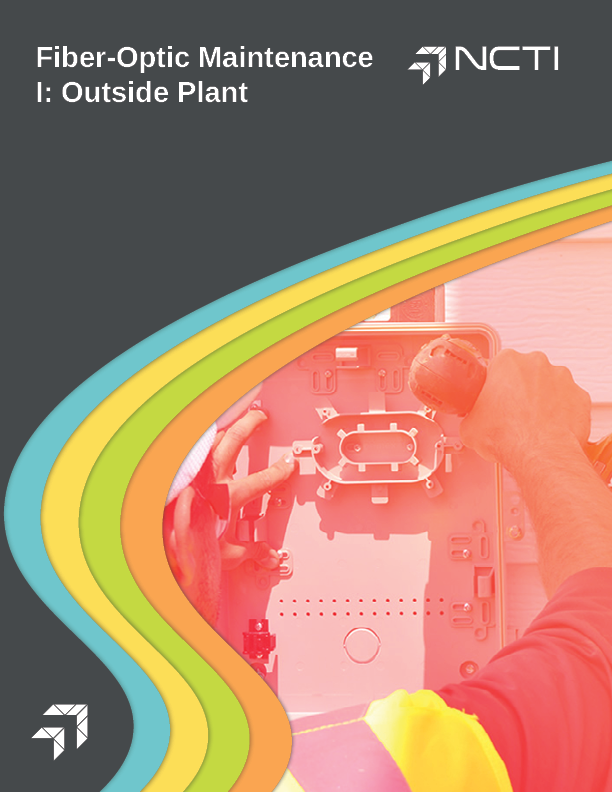
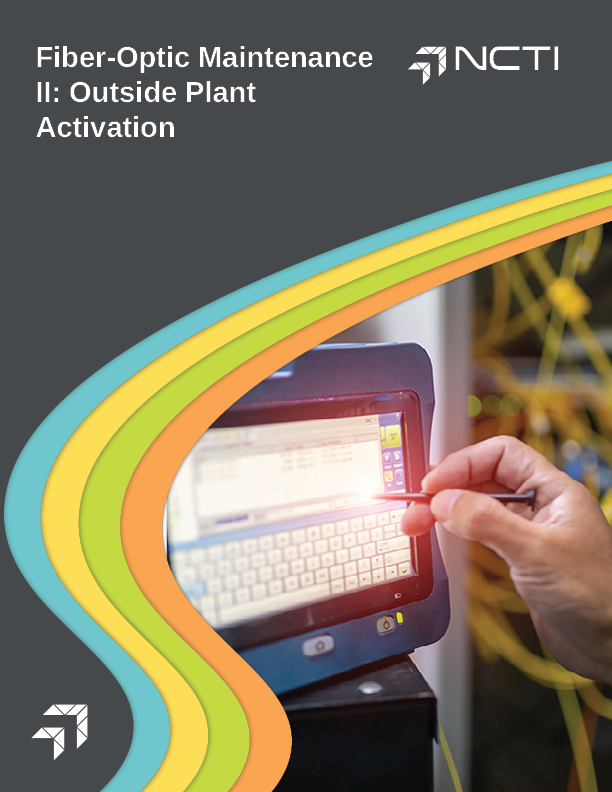
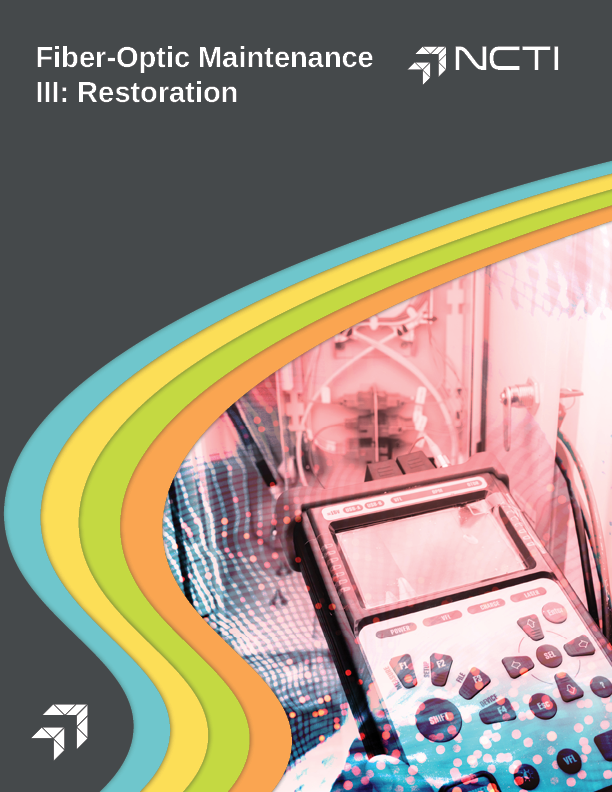
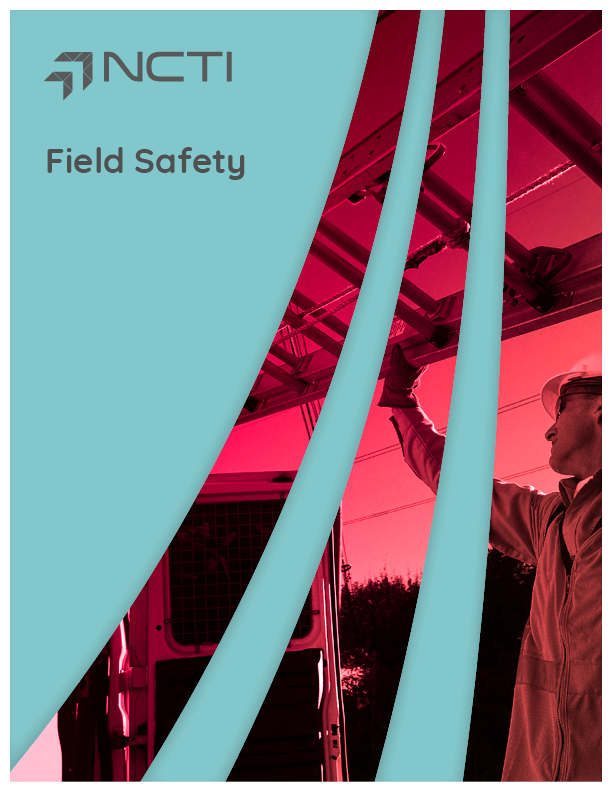
Related courses

NCTI-Cover-Empty
NCTI-Cover-Empty
NCTI-Cover-Empty
NCTI-Cover-Empty
NCTI-Cover-Empty
NCTI-Cover-Empty
NCTI-Cover-Empty
NCTI-Cover-Empty
NCTI-Cover-Empty
Share this page: