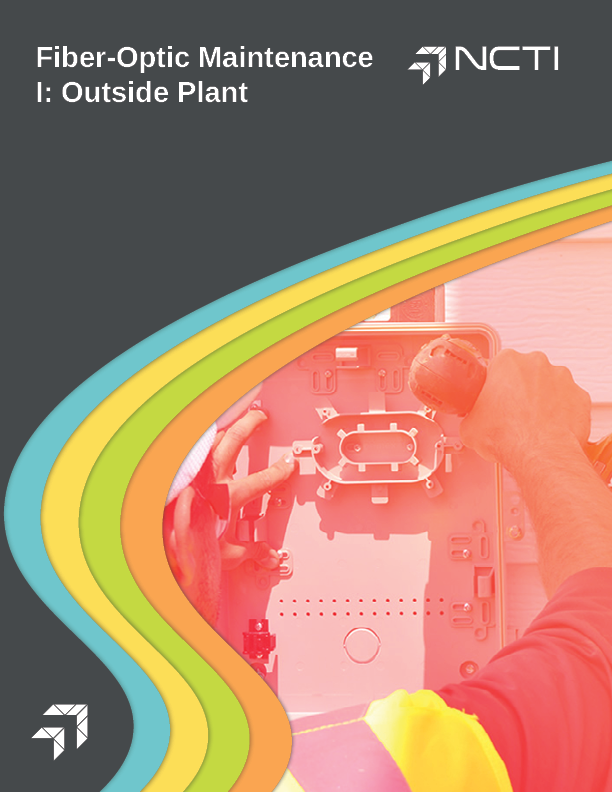
Fiber-Optic Maintenance I: Outside Plant

Course Overview

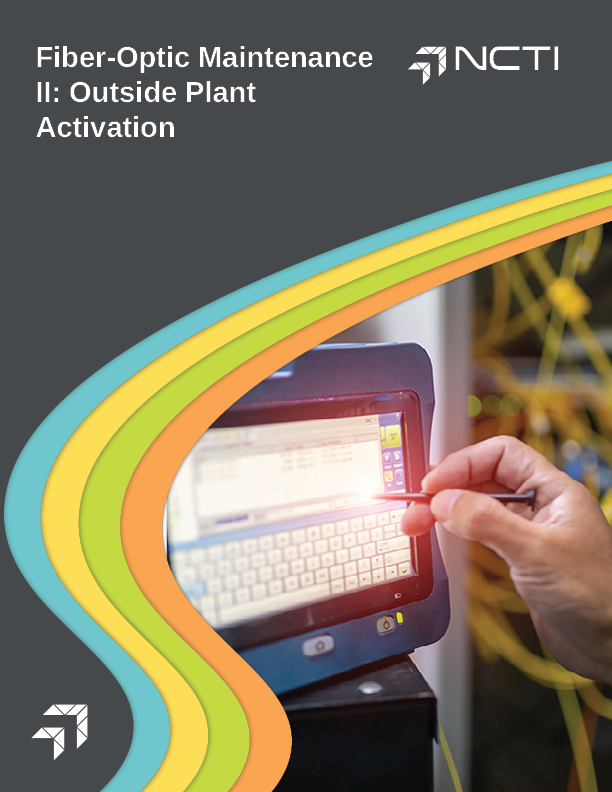
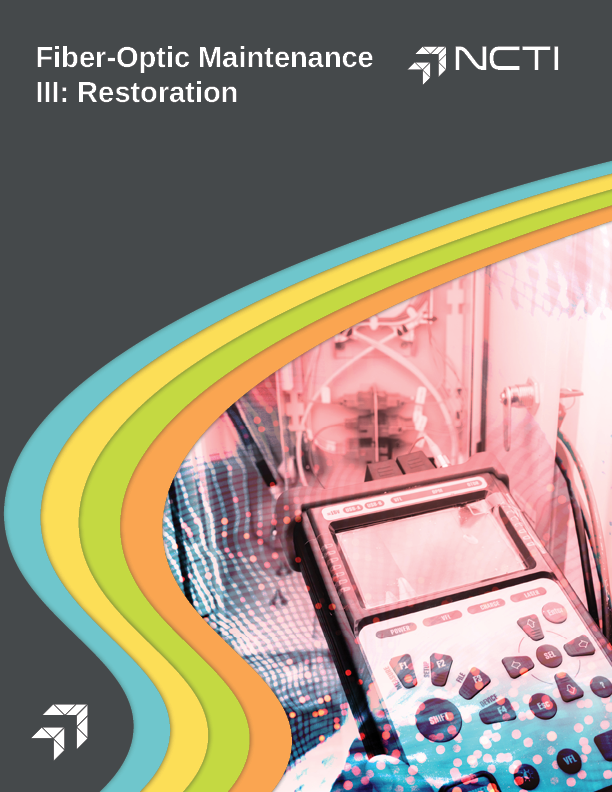
The NCTI® Fiber-Optic Maintenance I: Outside Plant course introduces the knowledge and hands-on skills necessary to support the reliability and performance of fiber-optic networks in the field. This course explores industry standards, proper documentation practices, and the structured approach to maintenance planning. Students will investigate common trouble spots across equipment rooms, aerial and underground segments, and examine how fiber damage, often hidden, can impact network integrity. Through practical learning, the course covers connector cleaning, inspection techniques, and using specialized test equipment like optical time division reflectometers (OTDR), visual fault locators (VFL), and power meters. It emphasizes understanding the layout and challenges of passive optical networks (PON) and diagnosing and restoring faults in the optical distribution network. Whether preparing for a career in installation, maintenance, or network support, this course lays the groundwork for effective troubleshooting and system upkeep in today’s high-demand fiber-optic environments.

The estimated completion time for this course is 8 hours. The maximum allotted time is four months from enrollment.
1.      Identify the main organizations that set fiber-optic industry standards and describe their common guidelines.

2.      Describe the maintenance plan and network documentation, as well as what they include to help with network efficiency and simplify troubleshooting.

3.      Identify common fiber-optic network problem areas, including equipment rooms, aerial and underground segments, and other critical locations.

4.      Describe types of fiber-optic cable damage that may occur during installation and explain how to check for and address post-installation damage.

5.      Describe the basic operation of fiber-optic networks, outline the six-step troubleshooting process, and identify standard test equipment and its uses.

6.      Identify the key components, tools, and specialized equipment necessary to troubleshoot fiber-optic network outages effectively.

7.      Explain the role of system documentation and the importance of verifying test results during fiber-optic troubleshooting.

8.      Identify and describe specialized tools and equipment for troubleshooting fiber-optic networks, including VFLs, OPMs, OLTS, ORL test sets, and OTDRs.

9.      Explain proper methods for cleaning and inspecting fiber-optic connectors and using basic testing tools to detect and diagnose faults.
10.  Describe the structure of a PON fiber-optic network, identify common problems, and explain where they typically occur.

11.  Explain the tools, measurements, and steps used to locate, diagnose, and restore faults in the optical distribution network, and verify successful resolution.
earn two hours of college credit

receive credit toward NCTI Master Technician certification

receive an industry-recognized NCTI certificate of graduation

Related courses

NCTI-Cover-Empty
NCTI-Cover-Empty
NCTI-Cover-Empty
NCTI-Cover-Empty
NCTI-Cover-Empty
NCTI-Cover-Empty
NCTI-Cover-Empty
NCTI-Cover-Empty
NCTI-Cover-Empty
Share this page: