Advanced Technician
Course Overview
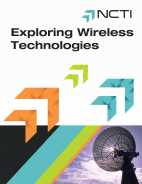
The NCTI Advanced Technician course teaches the broadband technician about the application of elements and principals that support operation of most broadband cable headends. Transmission lines, radio wave propagation, antennas, microwave
systems and satellite communications are fundamental topics that technicians working in the headend must understand. While digital TV signals have become commonplace, there remains the need to understand analog TV signal processing,
analog video analysis and FCC proof-of-performance execution. Digital TV related elements and topics are covered in lessons on digital satellite receivers, digital modulators, digital processors and equipment connection protocols. The Advanced
Technician course prepares the technician that has previously worked only in the field for the transition to working inside today’s sophisticated broadband cable headend.

- Price: $950.00
- Seat time: 34h
- Course number: eb0511_05_JN
- Dynamic language translation available
- Category: Technical and Safety
The estimated completion time for this course is 34 hours. The maximum allotted time is four months from enrollment.

Course Objectives
describe how headend system components work together to process analog and digital television services
apply governmental regulations and industry recommended practices to headend operation and maintenance
define what transmission lines are and the categories of transmission lines
describe how radio waves propagate over-the-air and through the atmosphere
describe antenna principles and how they apply to different antenna types
describe several applications of microwave communications and identify common microwave components
describe the basic operation of satellite communications systems
explain and apply headend theory of operation and how to connect analog and digital signal processing equipment
explain and apply proper headend combining and distribution techniques to downstream and upstream signals
describe various types of telecommunications transmission systems and their associated applications
explain the NTSC analog video format
explain and apply FCC Technical Standards measurement requirements and NCTA Recommended Practices
configure a satellite receiver to receive programming
explain and apply the different interconnection protocols used in the headend
Course Benefits
use this course to prepare for SCTE’s Broadband Transportation Specialist (BTS) and Broadband Telecom Center Specialist (BTCS) certifications
earn four hours of college credit
receive credit toward NCTI® Master Technician certification
receive an industry-recognized NCTI certificate of graduation
earn four hours of college credit
receive credit toward NCTI® Master Technician certification
receive an industry-recognized NCTI certificate of graduation
Share this page: