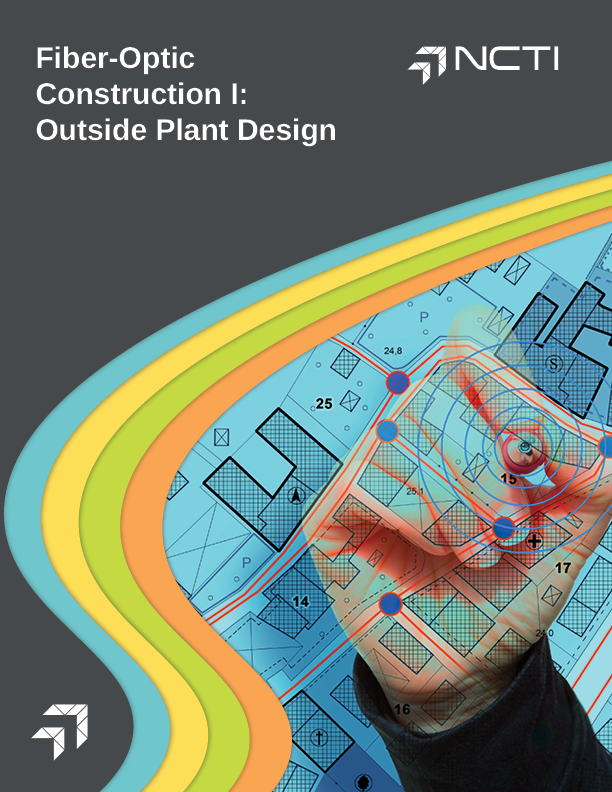
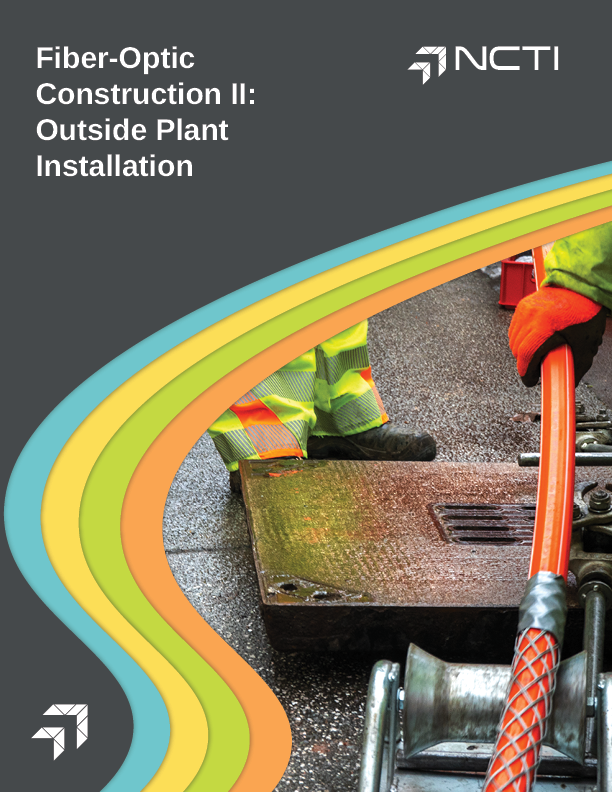
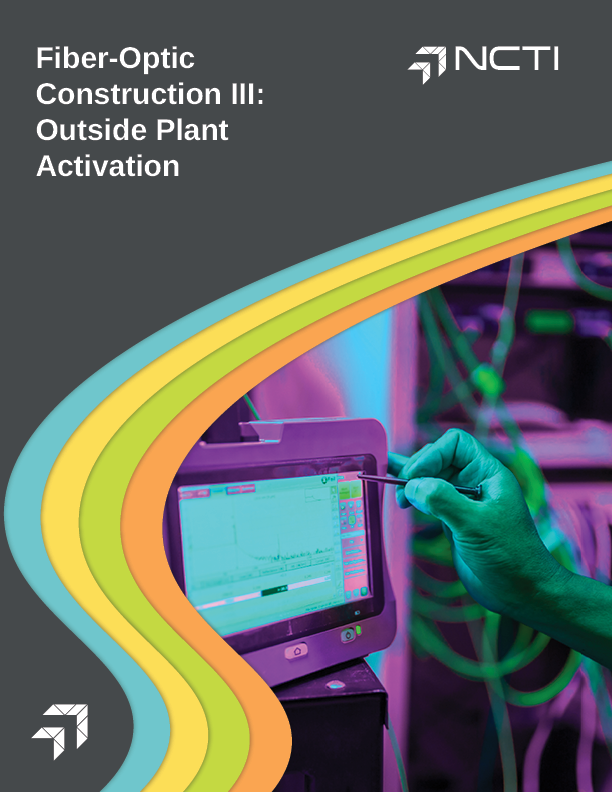
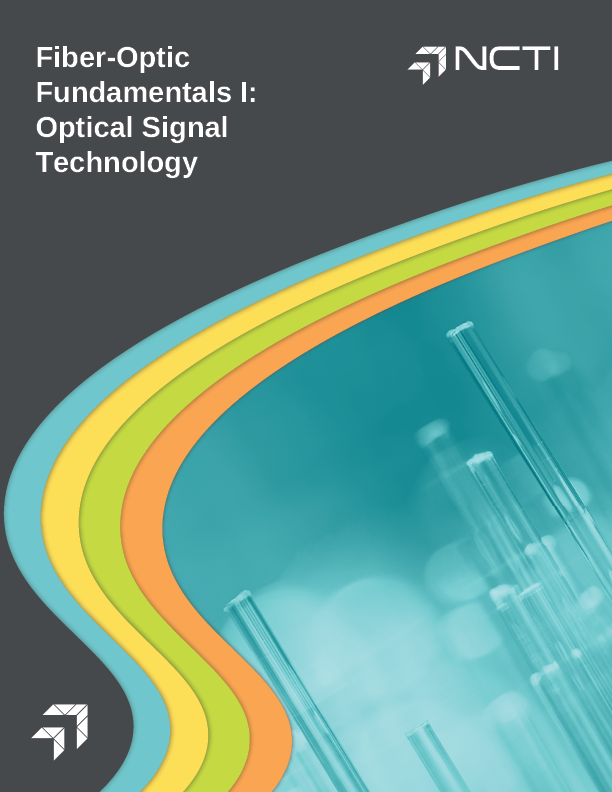
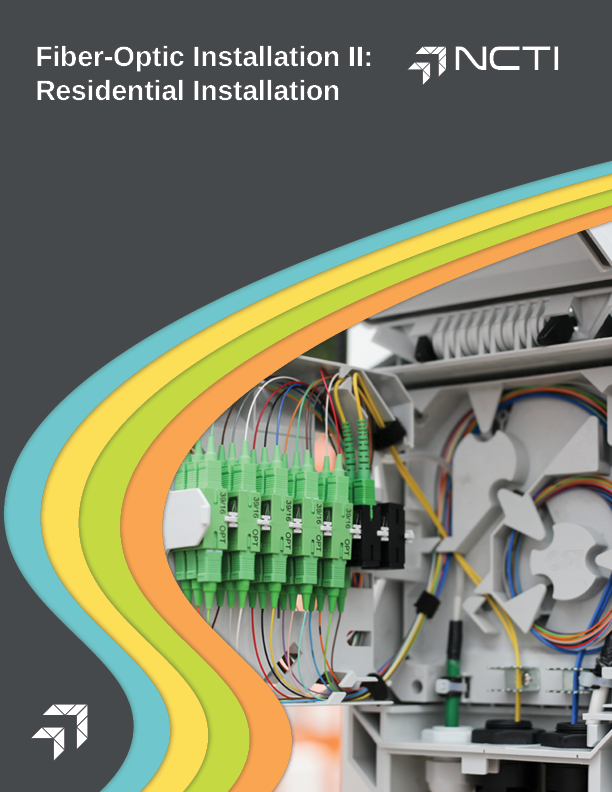
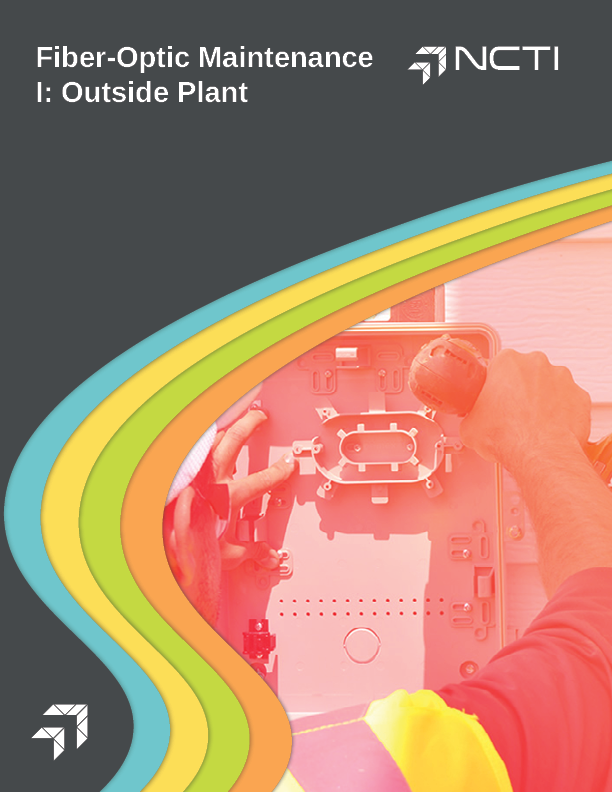
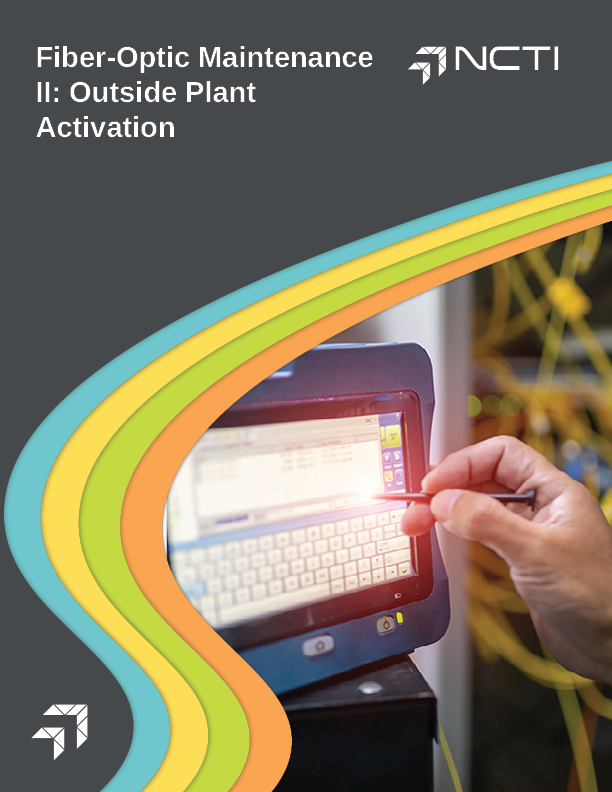
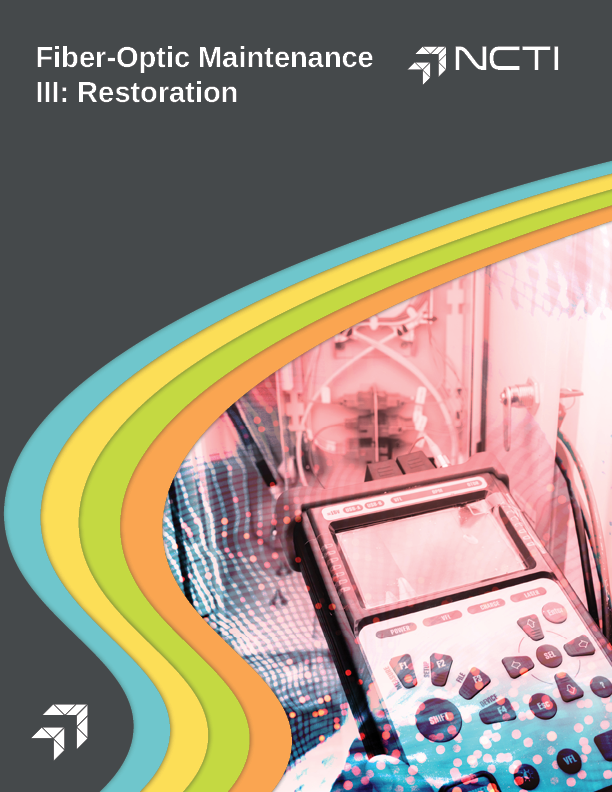
NCTI-Cover-Empty

Solución de problemas de servicios avanzados

Course Overview

This course is a Spanish/English hybrid. The course content is in Spanish; however, lesson activities and exams are in English                                                                                                                                               
The Troubleshooting Advanced Services course builds on the knowledge acquired in the Broadband Digital Installer course and complements it with a focus on troubleshooting. The three main service areas of a cable operator are covered in the Troubleshooting Advanced Services course: digital video, data/Wi-Fi and voice. The course is geared to troubleshoot at the customer premises and teaches real world processes that the student can use in a real work environment. Scenarios are presented for addressing specific issues of triple-play services at the premises, as well as the philosophy, mindset and attitude of a successful troubleshooter that can be applied to any circumstance.

The estimated completion time for this course is 16 hours. The maximum allotted time is four months from enrollment.
Explain the mindset and most effective techniques to troubleshoot digital television service.
Explain how the set-top box is used to deliver digital television service and identify some common service problems related to set-top boxes.

Identify the primary quality benchmarks of a quadrature amplitude modulation channel and digital television service.
Identify the various artifacts that can be seen in the video of a digital television channel and recognize the likely source of the artifacts.
Explain how to approach troubleshooting Internet protocol television.

Describe some of the issues that can occur with the high-definition multimedia interface.
Identify the measurements that quantify the quality of a digital modulation channel.
Identify test instruments for measuring digital modulation channel parameters.

Diagnose digital modulation measurements that indicate issues.

Explain the features of the DOCSIS architecture and how it affects data transmission.

Discuss the primary features of DOCSIS 3.0 and 3.1.

Describe the methods of troubleshooting in the customer premises.

Describe what steps are taken when improving poor signal strength.

Identify the primary types of interference that affects Wi-Fi signal.

Describe the types of non-Wi-Fi interference and troubleshooting solutions.

Explain Wi-Fi devices speed processing capabilities.

Identify the common telephone wiring defects that can occur and how to safely troubleshoot them.

Identify the features and characteristics of twisted-pair wiring.

Describe the techniques used to troubleshoot twisted-pair wiring problems.

Describe the use of twisted-pair IW test equipment and common procedures for troubleshooting IW problems.

Describe the use of a tone generator and inductive amplifier probe to troubleshoot wiring problems.

Describing the use of a twisted-pair cable tester and procedures for troubleshooting wiring problems.
Receive an industry-recognized NCTI certificate of graduation

Receive credit toward NCTI Master Technician certification

Use this course to help prepare for SCTE’s Broadband Premises Installer, Broadband Premises Technician and Broadband Telecom Center Specialist certifications

Related courses

NCTI-Cover-Empty
NCTI-Cover-Empty
NCTI-Cover-Empty
NCTI-Cover-Empty
NCTI-Cover-Empty
NCTI-Cover-Empty
NCTI-Cover-Empty
NCTI-Cover-Empty
NCTI-Cover-Empty
Share this page: