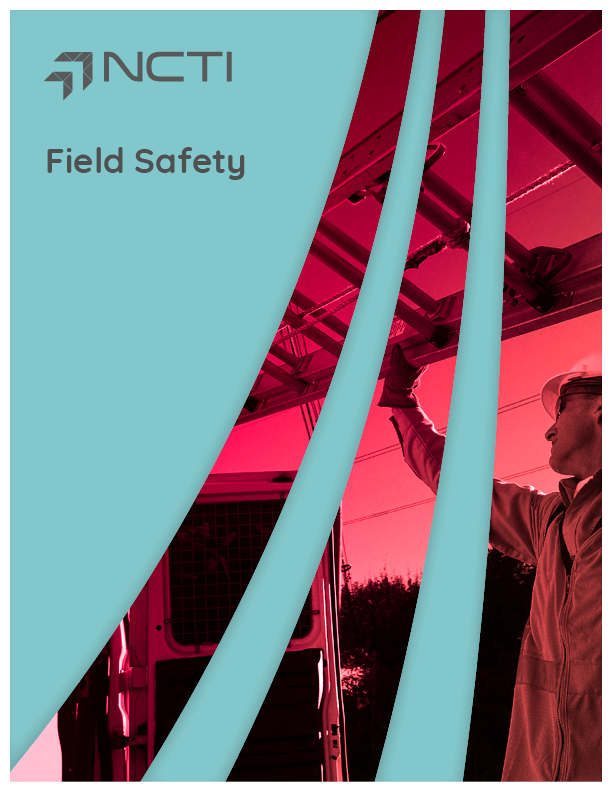
Fiber-Optic Installation I: Safety

Course Overview

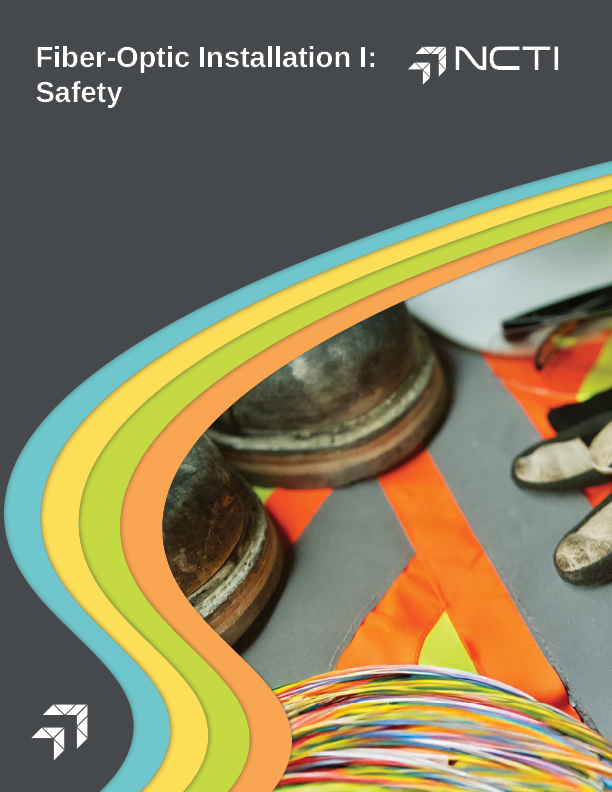
Safety in fiber optic installations is critically important because it protects not only the technicians doing the work, but also the integrity of the network and the reputation of the internet service providers (ISPs) involved. The NCTI® Fiber-Optic Installation I: Safety course provides in-depth guidelines and best practices for handling, installing, and maintaining fiber-optic cables and equipment. Technicians face real hazards, from eye injuries caused by laser light to puncture wounds from glass fibers or accidents involving underground utilities and heavy equipment. One misstep could lead to serious injury or even service outages affecting thousands of customers.
 
This course will teach students to properly select and use personal protective equipment (PPE) for various job environments, including fiber-optic safety gear and pole climbing equipment. The course covers electrical safety fundamentals, including using and operating electrical detection equipment to identify potential hazards. Participants will also explore best practices for working around energized equipment, ensuring compliance with industry standards for electrical safety. Additionally, the course provides training on assessing electrical outlet conditions and performing proper testing to prevent risks. By the end of the course, students can recognize, evaluate, and mitigate common safety hazards in broadband installations and maintenance.

The estimated completion time for this course is 8 hours. The maximum allotted time is four months from enrollment.
Explain the importance of wearing PPE in the broadband industry to prevent workplace injuries.

Identify and describe the proper selection, use, and inspection of key PPE items, including hard hats, safety glasses, protective footwear, gloves, safety vests, and clothing.

Recognize PPE symbols and guidelines to ensure correct and effective use in various job environments.

Describe the safety issues when working with fiber-optic cable and equipment.

Describe the tools and materials to ensure safe handling of fiber-optic cable.
Identify and describe the parts of a safety belt.
Explain the use of the primary and secondary lanyards and the handlines.

Describe the components of pole climbers, how to adjust them, and the items required before ascending a pole.
Describe standard test equipment used to detect electricity, including the characteristics and proper use of an FVD.

Explain key electrical safety concepts such as how electricity affects the body, the importance of bonding and grounding, and how to avoid electrocution.

Identify when and where to test for foreign voltage, especially when working aloft or near potential electrical hazards like hot chassis conditions or floating neutrals.

Define the communications zone and communication worker safety zone, and explain the relevance of 120 VAC electrical outlets in broadband environments.
earn two hours of college credit

receive credit toward NCTI Master Technician certification

receive an industry-recognized NCTI certificate of graduation

Related courses

NCTI-Cover-Empty
NCTI-Cover-Empty
NCTI-Cover-Empty
NCTI-Cover-Empty
NCTI-Cover-Empty
NCTI-Cover-Empty
NCTI-Cover-Empty
NCTI-Cover-Empty
NCTI-Cover-Empty
Share this page: