Explain the evolution of cable networks and the key HFC advancements that have enabled faster internet speeds over time.
Describe fiber-optic cables, nodes, and RF distribution equipment, highlighting their roles in the outside plant (OSP).
Explain how DOCSIS, headend systems, and optical fiber advancements support significant speed improvements to meet rising demand.
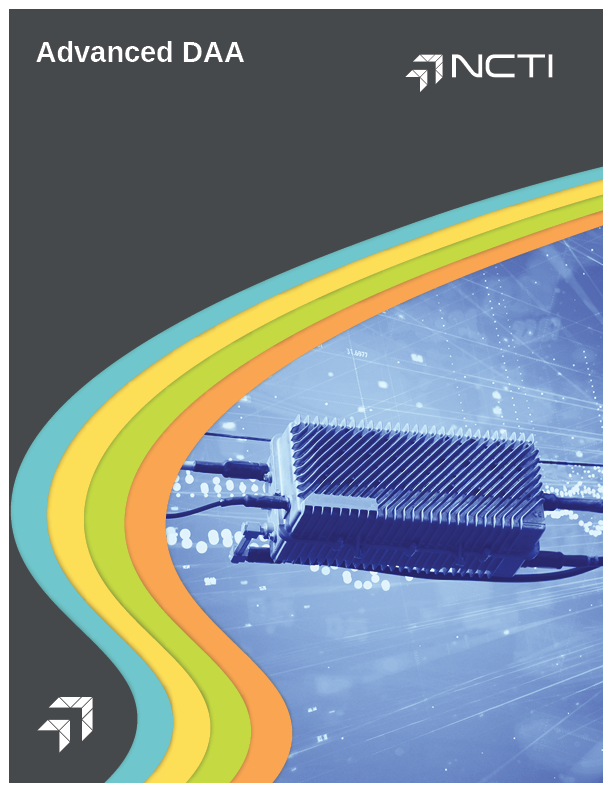
Define DAA, including RPDs and CCAP, and explain its power, space-saving benefits, and the architectural shift enabled by DAA technologies like coherent optics.
Compare frequency split architectures, explain high-split configurations, and distinguish between Full Duplex DOCSIS (FDX) and Extended Spectrum DOCSIS (ESD).
Identify key factors for high-split upgrades, including frequency range, spacing, amplifier adjustments, and a phased upgrade approach.
List DAA components and describe their testing processes, including the equipment used.
Explain optical fiber testing methods, such as using OTDRs, OPMs, fiber inspection scopes, optical loss test sets, and OCC and MPO testers for evaluating fiber performance and light loss.
Explain how SFP modules, Ethernet benchmarks, and Metro Ethernet test equipment evaluate network capacity, pinpoint bottlenecks, and ensure quality.
Describe RF plant testing using sweep systems to assess frequency response, including adaptations for high-split and DAA networks.
Discuss the strategic placement of test equipment for optimal results and describe the use of specialized tools like BERTs for evaluating bit error rates and signal integrity.
Discuss RF leakage detection and mitigation in DAA networks, focusing on compliance with FCC regulations for aeronautical frequencies and cable system channels.