Fiber-Optic Fundamentals III: Splicing and Termination
Course Overview
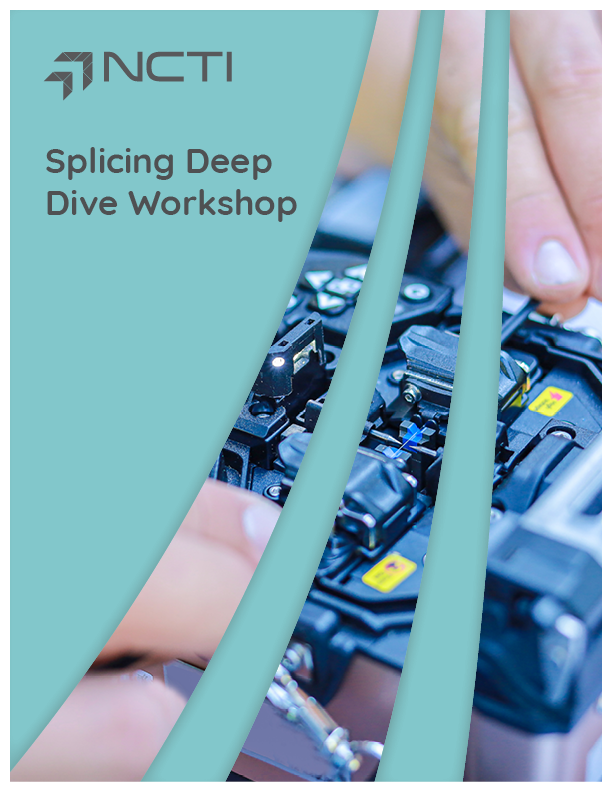
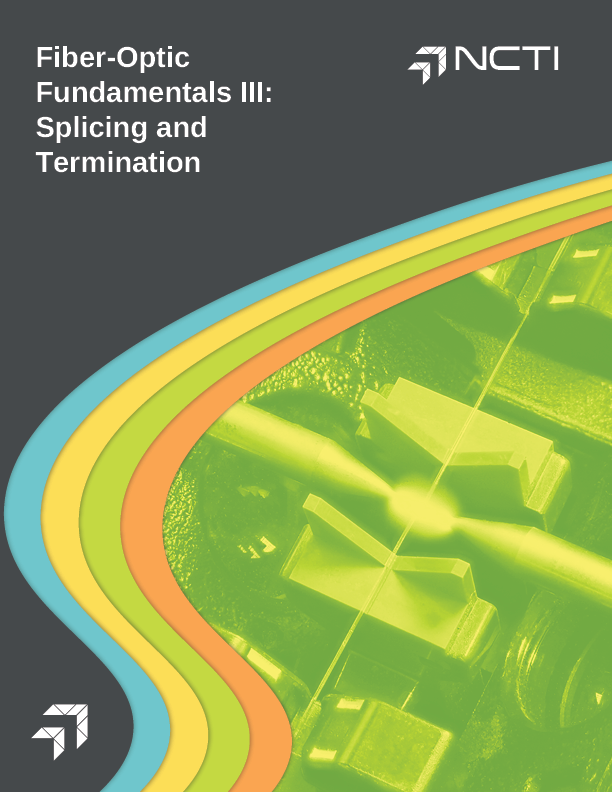
The NCTI® Fiber-Optic Fundamentals III: Splicing and Termination course explores optical termination components and techniques, encompassing the hardware and methods for connecting, securing, and optimizing fiber-optic links for reliable signal transmission. Proper termination is essential for minimizing insertion loss, reflectance, signal degradation, and long-term durability of fiber links.
Technicians must understand the different types of optical connectors, adapters, splices, pre-terminated pigtails, and fiber distribution panels. Mastery of termination methods—mechanical and fusion splicing, polishing, and connectorization—is essential for minimizing insertion loss and reflectance, directly impacting network efficiency.
In this course, students will learn how to select the right termination components, perform high-quality terminations, and test connections to ensure proper performance. This course gives them the necessary skills to execute professional-grade terminations, troubleshoot common issues, and maintain fiber-optic integrity in various network environments.

- Price: $285.00
- Seat time: 4h
- Dynamic language translation available
- Category: Technical and Safety
The estimated completion time for this course is 4 hours. The maximum allotted time is four months from enrollment.
Course Objectives
Identify the fiber-optic cable types, including ribbon fiber, and describe their applications.
Describe the optical fiber standardized color code and the elements and coating diameters of indoor and outdoor SMF cables.

Identify optical connector components and describe their proper cleaning techniques.
Explain the impact of optical return loss and reflectance in an optical network.
Identify the patch panels in fiber-optic network installations and describe the fiber-optic cable outside-to-inside transition characteristics.
Explain how to prepare optical fibers for splicing into a patch panel.
Explain the use of optical terminators and attenuators.
Describe the different types of optical splitters, packages, and split ratios.
Describe pigtails used for optical fiber terminators and how to prepare pigtail splices for patch and distribution panels.
Describe the major components of a telecom facility's primary power source and "five nines."
Explain the application and operation of centralized power nodes and distributed power systems.
Describe how to identify the voltage port on an optical node and the redundancy power configurations for optical nodes with alternating and direct current powering.
Explain the DC power supply functions in an optical node and the use of power in FTTx networks.
Describe the optical fiber standardized color code and the elements and coating diameters of indoor and outdoor SMF cables.
Identify optical connector components and describe their proper cleaning techniques.
Explain the impact of optical return loss and reflectance in an optical network.
Identify the patch panels in fiber-optic network installations and describe the fiber-optic cable outside-to-inside transition characteristics.
Explain how to prepare optical fibers for splicing into a patch panel.
Explain the use of optical terminators and attenuators.
Describe the different types of optical splitters, packages, and split ratios.
Describe pigtails used for optical fiber terminators and how to prepare pigtail splices for patch and distribution panels.
Describe the major components of a telecom facility's primary power source and "five nines."
Explain the application and operation of centralized power nodes and distributed power systems.
Describe how to identify the voltage port on an optical node and the redundancy power configurations for optical nodes with alternating and direct current powering.
Explain the DC power supply functions in an optical node and the use of power in FTTx networks.
Course Benefits
earn two hours of college credit
receive credit toward NCTI Master Technician certification
receive an industry-recognized NCTI certificate of graduation
receive credit toward NCTI Master Technician certification
receive an industry-recognized NCTI certificate of graduation
Share this page: