Course Overview

FTTx Basics is a two-part course called FTTx Elements and Installation and Troubleshooting.
 
The demand for faster data speeds continues to escalate at a rapid pace. Fiber-to-the-“x” or fiber-to-the-node, curb, business, home, premises, etc., is one way to satisfy this demand. Many broadband companies are rapidly deploying FTTx, particularly FTTH (fiber-to-the-home), which is increasing in part due to competitive pressures. A company with technicians who are well trained in FTTx has the leverage it needs to build great networks and keep up with the growing demand for fast fiber. The FTTx Basics course teaches fiber-optic network architectures and provides in-depth, step-by-step instructions for connecting a customer with a fiber-optic drop and how to recognize and remedy common fiber optic issues.

The estimated completion time for this course is 4 hours. The maximum allotted time is four months from enrollment.
describe the different “fiber-to-the-x” topologies used in broadband cable networks

describe a passive optical network

identify the different categories of fiber-optic cable that are used in a passive optical network

recognize the different topologies used in passive optical networks

explain how the radio frequency over glass (RFoG) standard operates with any passive optical network

identify the elements of a passive optical network

describe different applications for optical splitters

identify multiple fiber strands after a splitter on an OTDR trace

identify various connectors used with fiber-optic drops

sequence the steps to prepare drop fiber for splicing

describe pigtails used for optical fiber terminations

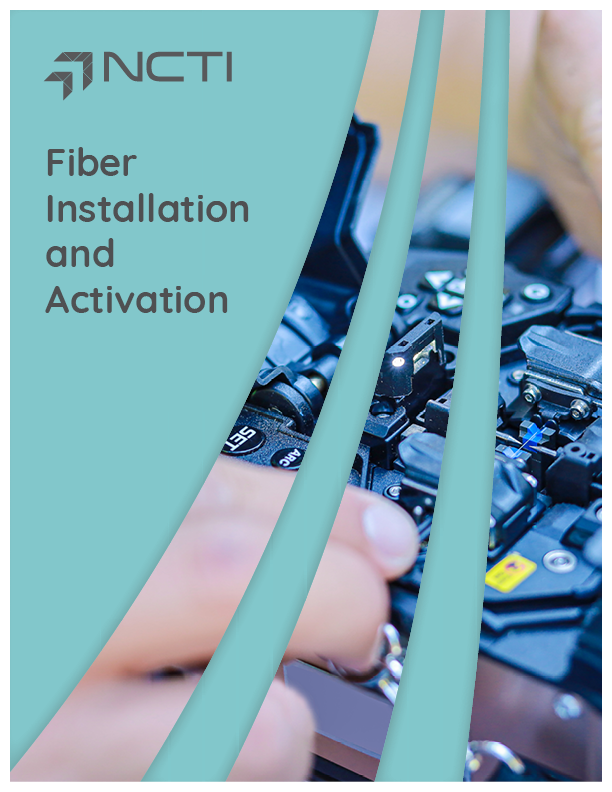
describe the procedure for fusion splicing a drop fiber to a pigtail

identify the typical sources of failure in the outside plant

specify which fiber-optic test sets are used to troubleshoot common troubles

identify recommended fiber-optic restoration activities

recognize the advantages and disadvantages of CWDM and DWDM used in today’s FTTx networks
understand the process for fusion splicing fiber-optic cable

be able to effectively connect fiber-optic cable at the premises

become knowledgeable of passive optical networks (PON) architecture and equipment

understand the Radio frequency over glass (RFoG) standard

be able to complete fiber-to-the-home installations

receive an industry-recognized NCTI certificate of graduation

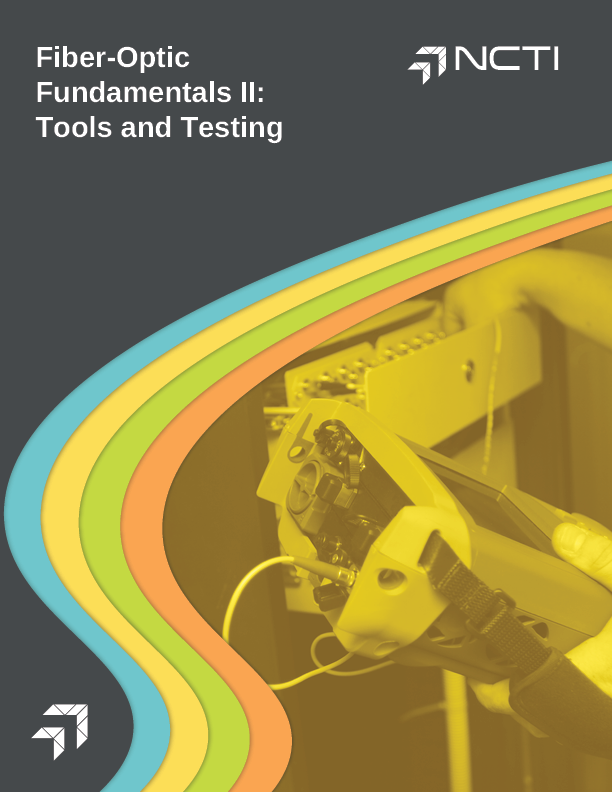
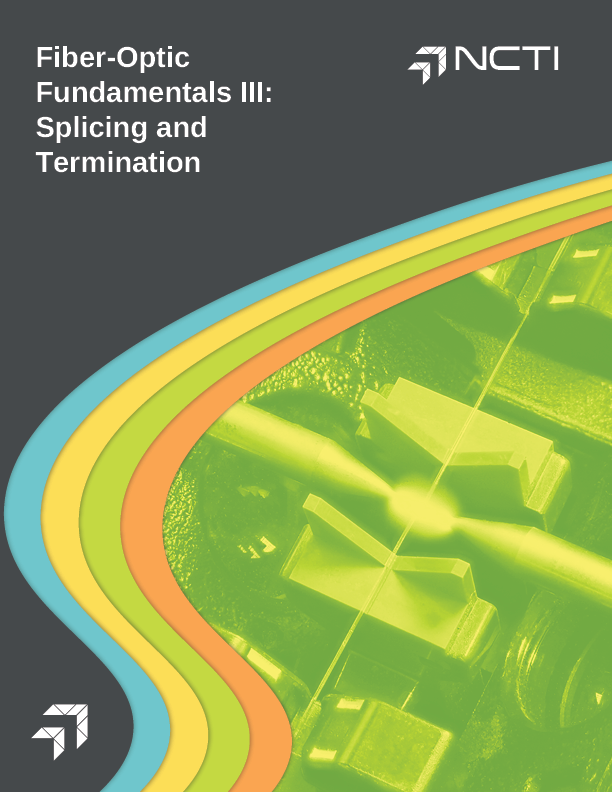
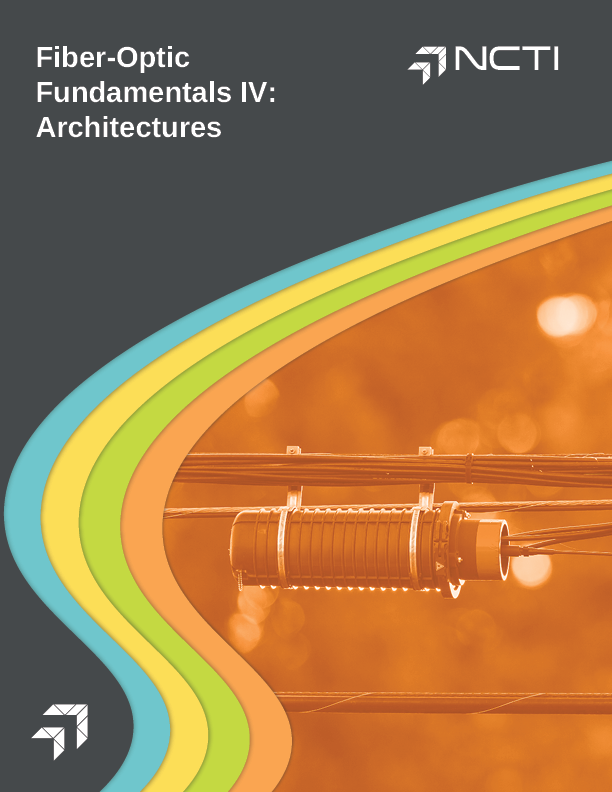
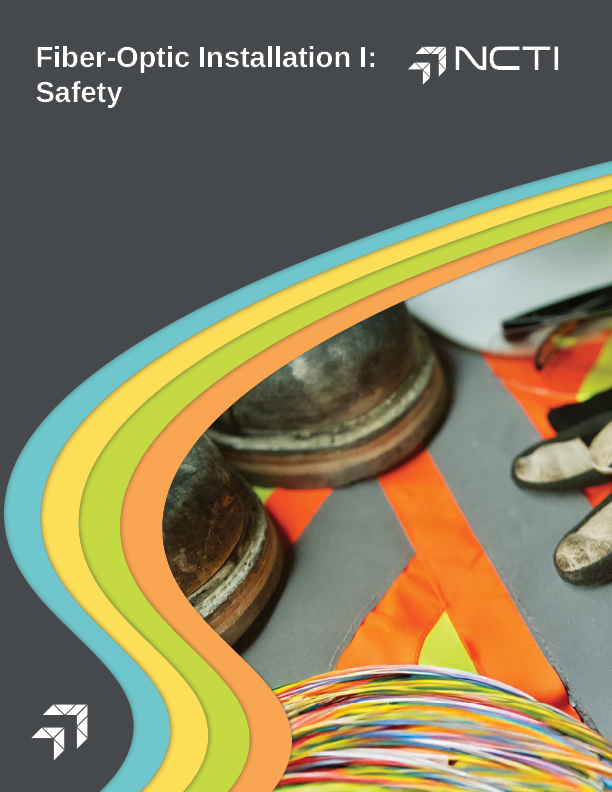
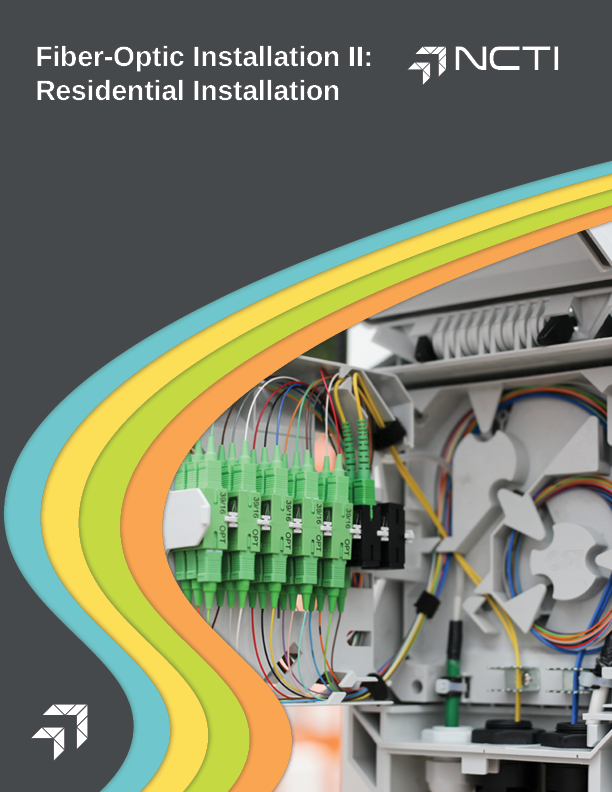
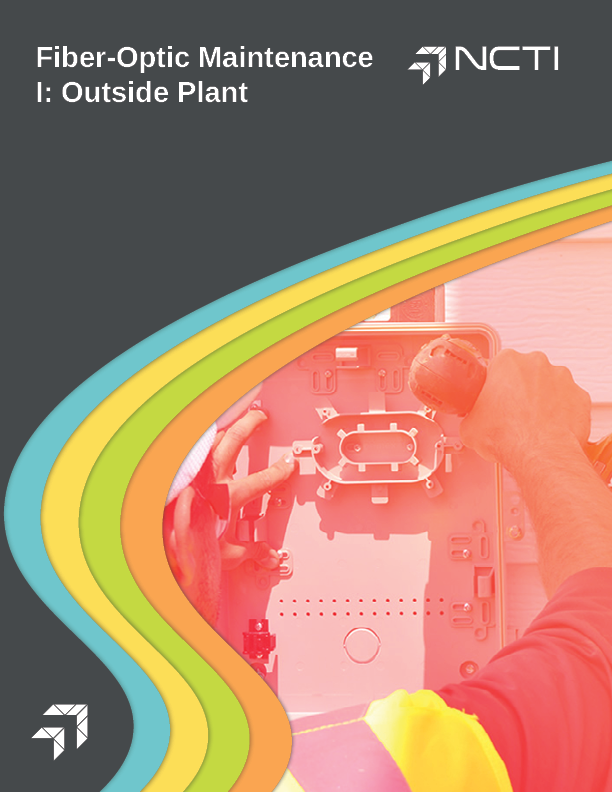
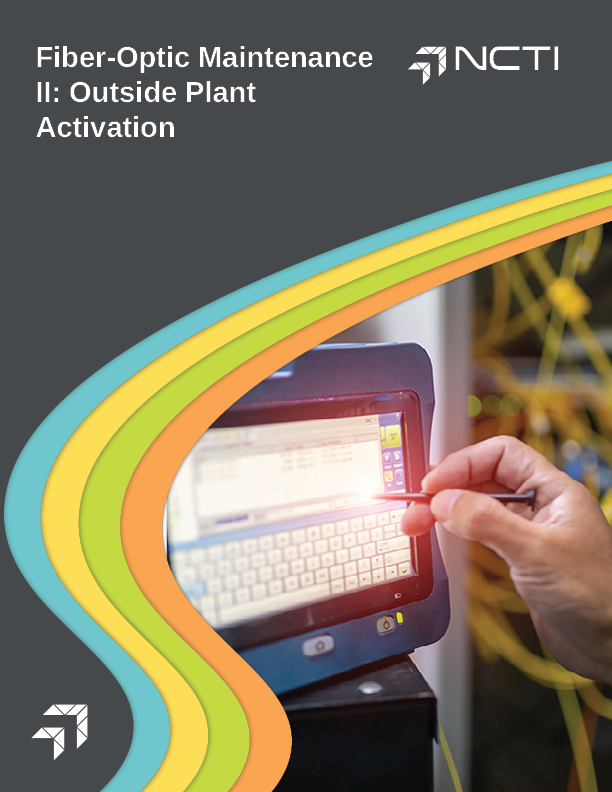
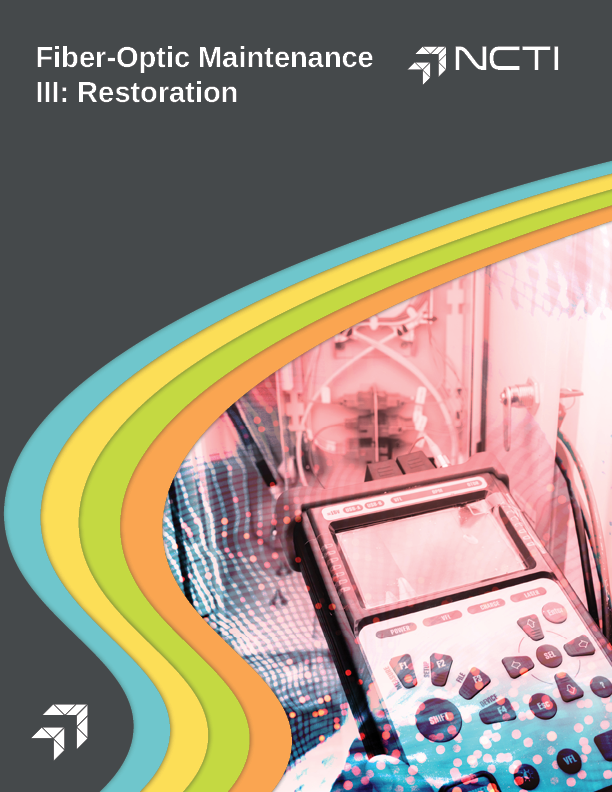
Related courses

NCTI-Cover-Empty
NCTI-Cover-Empty
NCTI-Cover-Empty
NCTI-Cover-Empty
NCTI-Cover-Empty
NCTI-Cover-Empty
NCTI-Cover-Empty
NCTI-Cover-Empty
NCTI-Cover-Empty
Share this page: